Let’s be honest, spreadsheets, sticky notes, and scattered DMs worked fine when you had a handful of leads. You could remember who messaged you, who needed a follow-up, and who said “let me think about it.”
But once your business starts growing, things get messy fast. You find yourself juggling messages from your website, email, WhatsApp, and social media, and suddenly, keeping up feels like a full-time job.
If that sounds familiar, here are five clear signs you’ve outgrown manual lead management (and what to do instead).
1. You keep missing follow-ups without realizing it
At first, you tell yourself, “I’ll remember to call them tomorrow.” Then tomorrow becomes next week, and by the time you remember, the lead has gone cold.
You’re not lazy, you’re just managing too much in your head.
When this happens repeatedly, it’s a sign you need structure.
A CRM helps you set reminders, track conversations, and ensure every single lead gets the attention it deserves, automatically.
Pro tip: If you can’t confidently say when you last followed up with each potential client, it’s time to automate your follow-ups.
2. You have customer details scattered everywhere
Some contacts are in your Gmail, others are in a notebook, and a few are in your phone. You probably have a spreadsheet titled “Final Lead List (2).xlsx” on your desktop too.
Sound familiar?
It’s impossible to see the big picture when your data lives in a dozen places. You can’t tell who’s ready to buy, who’s waiting for a quote, or who ghosted you. And when you hire someone new, they start from scratch because there’s no single source of truth.
What a CRM does instead:
It puts all your contacts, conversations, and notes in one place. You can search a name and instantly see their emails, calls, notes, and deals — no detective work needed.
3. You have no clear view of your sales pipeline
When someone asks, “How many leads do you have this month?” you open your spreadsheet and start scrolling… and scrolling… and guessing.
You might even find yourself saying things like, “We’re busy, I think we have a few deals in progress.” But “busy” isn’t a strategy.
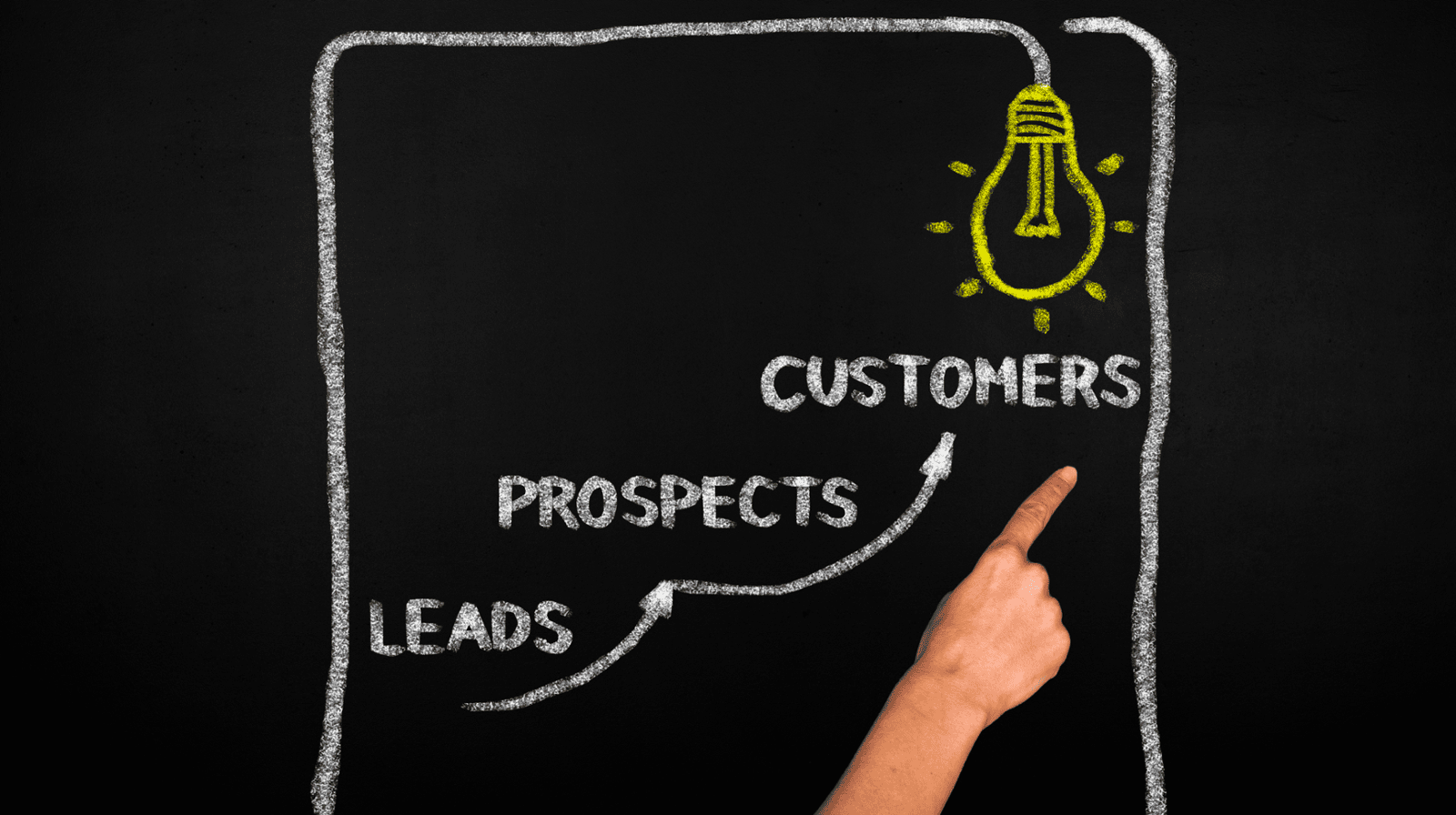
If you can’t see your deals organised by stages, like new lead → qualified → proposal sent → closed — then you’re flying blind. A CRM gives you a visual pipeline so you know exactly where every opportunity stands and what needs to happen next.
The goal isn’t just more leads; it’s clarity.
You should always know how close you are to hitting your targets and where potential clients are getting stuck.
4. Your team keeps asking, “Who’s handling this lead?”
If you’ve grown to a small team, you’ve probably experienced this:
Two people follow up with the same client. Another forgets to update the spreadsheet. And no one is 100% sure who’s in charge of what.
That’s not a communication problem — that’s a system problem.
When your business expands, you need transparency. A CRM lets you assign leads, track ownership, and keep communication consistent. Everyone sees what’s been done and what’s next, which means fewer mix-ups and a smoother client experience.
5. You’re spending more time managing data than managing relationships
Every week, you probably spend hours updating spreadsheets, exporting contacts, cleaning data, and writing manual emails.
That’s time you could be using to connect with clients, close deals, or plan new offers.
The whole point of a CRM is to make your life easier, not busier. It automates the boring stuff like sending follow-up emails, updating lead stages, and tagging contacts. You stay focused on relationships, not repetitive tasks.

“Growth doesn’t create chaos — outdated systems do.”
Every small business eventually reaches this moment. At first, things feel easy, you know every client by name, you reply to every message yourself, and your little spreadsheet or notebook works just fine.
But then, something amazing (and stressful) happens: your business starts to grow.
Suddenly, you’re juggling dozens of new inquiries each week. You’re sending follow-ups, managing leads, tracking payments, and trying to remember who said what. Before long, your “system” whether it’s a collection of sticky notes, emails, or mental reminders starts falling apart.
You miss a message here, forget a call there, and spend half your day trying to stay organized instead of serving your customers.
And it’s not your fault.
Growth comes with chaos. Most business owners don’t outgrow their passion, they outgrow their tools.
That’s the turning point where many successful entrepreneurs decide it’s time for a CRM. Not because it’s the latest trend or something everyone’s talking about, but because it’s the only sustainable way to keep up with their growth.
A good CRM gives you back control,it helps you manage every lead, every follow-up, and every customer conversation without losing your personal touch. It saves time, prevents costly mistakes, and keeps your entire team (or even just you) organised and focused. In short, it helps you do what you do best: grow your business without the overwhelm.
If you’re not sure what a CRM really does, read our post on What Exactly Is a CRM (and Why Every Growing Business Needs One)
Here’s a simple roadmap:
Step 1: Clean up your current data
Merge your spreadsheets, remove duplicates, and keep the essentials: name, email, phone, source, and notes.
Step 2: Choose a CRM that fits your stage
If you’re new to CRM, start small. Tools like Zoho Bigin, HubSpot Starter, or Pipedrive are great for growing businesses. You can upgrade as you grow.
Step 3: Automate one thing at a time
Begin with lead capture — make sure every form, DM, or email adds a contact automatically. Then move to follow-ups and pipelines.
Step 4: Build habits, not just data
A CRM is only as good as the people using it. Get your team on board and make updates part of your daily routine.
If your business has reached the point where leads are slipping away, spreadsheets feel overwhelming, and you’re spending more time on admin than actual sales — congratulations. It means you’ve grown.
Now it’s time to let technology catch up.
A CRM isn’t about replacing your personal touch. It’s about helping you keep that touch alive while scaling your business. Once you implement it, you’ll wonder how you ever worked without one.
Let’s Design a Playbook
That Fits Your Business
Every business has a different path to growth. With our Playbook, you don’t have to guess, we’ll map it out for you. Get started today and scale smarter.