

Ever wonder what your business is really losing by not using a CRM? A lot of companies try to get by with spreadsheets, sticky notes, or just memory. Everything appears fine at first, but as time goes on, minor problems such as missed follow-ups and overlooked details usually accumulate, and lack of coordination between marketing and sales can gradually lead to significant challenges.
The true cost often sneaks up on you, gradually impacting productivity, team morale, and customer relationships. In this blog, we’ll explore what these hidden costs look like and how they can quietly drain your business.
1. Relying on Memory Is a Hidden Cost of Not Using CRM
Relying on memory might seem like a quick solution to many businesses, but this mindset can lead to some of the biggest hidden costs of not using a CRM system. Important details about clients, follow-ups, and key interactions often exist only in people's minds rather than in a shared platform. Without a reliable way to track information, even a small absence can create confusion, and what feels manageable at first can quickly spiral into missed opportunities.
Some of the consequences include:
Client details get forgotten or remembered differently by different team members.
Follow-ups can be overlooked since there’s no shared record of who said they would do what.
When someone is unavailable or moves on, crucial knowledge can leave with them, creating service gaps.
Decisions might be delayed or made based on assumptions instead of real data.
Small mistakes can quietly accumulate, leading to a decline in customer satisfaction and revenue.
2. Loyal Customers Get Overlooked as Customer Retention Slips
Even when a company believes that it is keeping up with the pace, loyal customers can quietly walk away. A customer with a special request calls with a specific need, but the team forgets a crucial part because it existed only in someone’s mind. This makes the customer angry, and the next time they go elsewhere. Scattered notes from emails and spreadsheets are not going to prevent this from happening. Small forgetfulness can cause a chain reaction with a ripple effect on customer relationships.
According to research, companies that employ CRM software experience a 27% increase in customer retention rates; this clearly illustrates the importance of organising loyal customers’ information within a CRM system.
3. Small Problems Turn Into Complaints
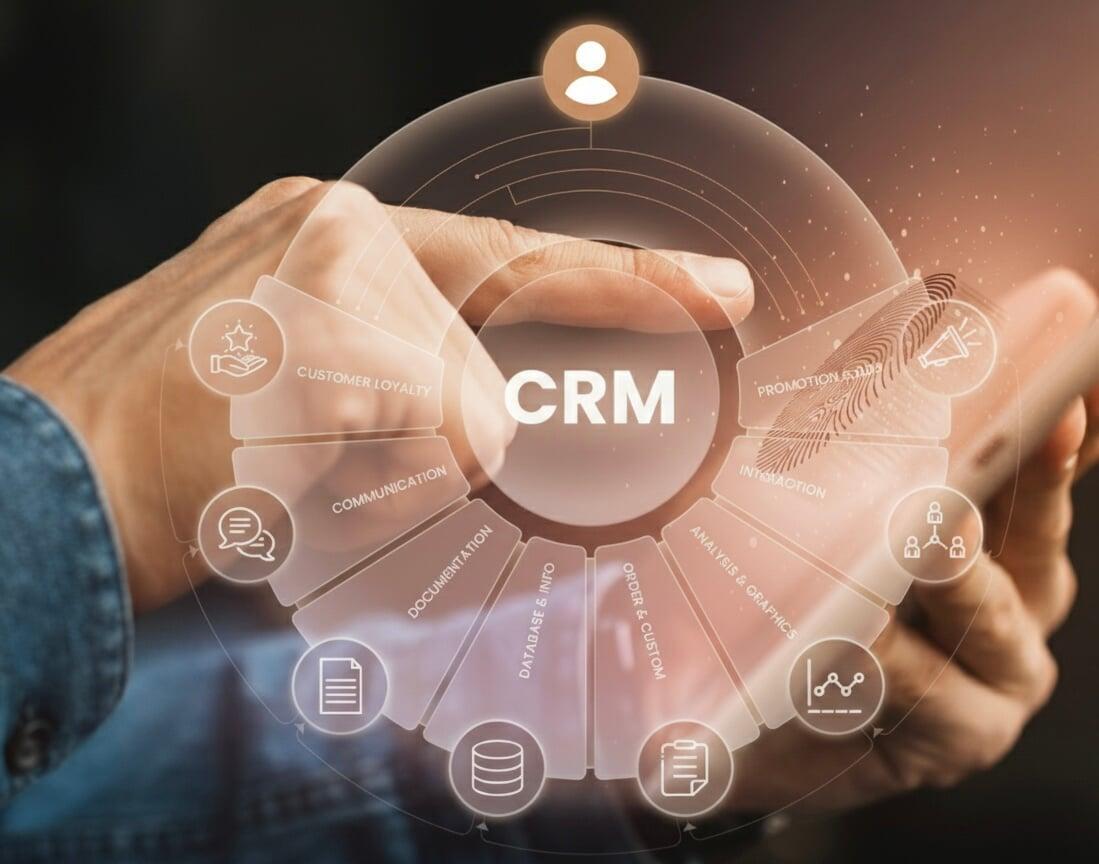
You’d be amazed at how minor mistakes can escalate into major problems if they aren’t tracked or recorded correctly. Without a system to organise interactions, patterns stay invisible, and problems often show up too late as complaints, lost leads, and customer turnover. That’s where customer relationship management comes in, making everything visible so these problems don’t quietly escalate.
Some of the ways small problems turn into bigger challenges include:
Repeated mistakes with customers that go unnoticed.
Missed follow-ups that make clients feel ignored.
Gaps in communication between teams, causing confusion.
Lost opportunities because issues aren’t tracked in lead management systems.
Minor problems accumulate until they affect overall customer satisfaction.
4. Marketing and Sales Don’t Connect
When marketing and sales don’t share the same system, leads come in, but no one really knows what worked or where they came from. Without CRM software, messages across channels feel disconnected, and lead management becomes inconsistent as buyer behaviour insights get lost along the way.
Some of the common issues that show up include:
Leads entering the system without clear sources.
Marketing campaigns that can’t be tied to real outcomes.
Sales teams following up without context or history.
Mixed or conflicting messages sent to the same prospect.
Missed patterns in how buyers interact before making decisions.
5. Staff Burnout Goes Unnoticed
Initially, the workload appears to be under control. One person handles follow-ups, another keeps customer notes in a spreadsheet, and everyone assumes things are under control. The more time passes by, the more the pressure builds up quietly. Follow-ups are missed, responses become slower, and customers pick up on the inconsistency despite the team working even harder. This is just one of the costs that are hidden away by not using a CRM; there is a lack of visibility on the work being done, burnout is increasing quietly, which is detrimental to retaining customers.
Research reveals that 43% of companies believe their employee workload gets reduced by 5-10 hours a week by using CRM software, which indicates how much time can be a cause of stress when done manually.
6. Scaling Feels Like Starting Over
Growth should be an exhilarating experience, but with the wrong systems in place, it feels like Groundhog Day. New employees spend weeks relearning what has already been accomplished, as opposed to optimising processes, and this is an endless cycle of reconstruction.
Consider the sales team, for instance, and how they handle leads for each new employee they bring on.
Conclusion
Consider CRM software more of a solution or system in its own right. A system that provides clarity and consistency in your business. The cost of missing out on CRM is often hidden, but its impact is silently accumulating, causing harm to productivity, team spirit, and business relationships. By applying effective customer relationship management, you can ensure that you don’t miss out on anything, maintain consistency in your business, and prevent tiny issues from becoming major setbacks. “It’s okay for now” can prove very costly in the future.
Ready to Get a System
That Supports Your Growth?
Let us help you remove confusion and create a structure that actually works for your business.