
Many small businesses begin their CRM journey the same way: by doing it themselves.
They sign up for a CRM platform, watch a few tutorials, build a simple pipeline, and assume the system is ready to support their sales process.
At first, it seems manageable.
But as the business grows, things begin to break down. Leads start slipping through the cracks. Automations stop working the way they should. Reports become unreliable. And suddenly, the system that was supposed to bring clarity starts creating confusion.
This is the moment when many founders begin asking an important question:
Should we keep trying to manage our CRM internally, or is it time to bring in experts?
The truth is that DIY CRM setups can work in the early stages. However, there comes a point where trying to handle everything yourself can cost more in time, lost opportunities, and operational inefficiencies than hiring professional help.
Understanding when to make that transition can make a significant difference in how efficiently your business grows.
Before deciding to hire a CRM agency, it helps to understand the value they bring. A CRM implementation agency helps businesses set up and manage their CRM systems so they actually support sales and marketing instead of creating confusion. Research shows that effective CRM use can increase sales by up to 29% and improve sales productivity by 34%.
A CRM agency typically helps businesses:
Set up and structure their CRM so contacts, deals, and data are organised properly.
Design sales pipelines that reflect the real stages of their sales process.
Build email marketing and automation workflows that follow up with leads automatically.
Connect the CRM with other tools such as forms, email platforms, or scheduling systems.
Clean and organise customer data so teams can easily track interactions.
Create reporting dashboards that show sales and marketing performance.
For example, a service business that wants automatic follow-ups after someone submits a form can have a CRM agency build the workflow and email sequence to handle it automatically.
The debate around CRM agency vs DIY often depends on the stage and complexity of a business. While working with a CRM implementation agency can bring structure and expertise, there are situations where managing your CRM internally still makes sense. For example, a freelancer might simply use a CRM pipeline to track leads and follow-ups.
There are a few common situations where handling CRM internally can still work well.
1. Your Business Is Still Very Early
If your company is just beginning to generate leads and your sales process is still evolving, a simple CRM setup may be enough to track contacts and basic deal stages.
At this stage, the focus is often on validating your offer rather than building complex automation systems.
A lightweight CRM setup can help organise leads without requiring a large investment.
2. Your Sales Process Is Simple
Some businesses have a straightforward sales process with only a few steps between lead generation and closing a deal.
For example, a freelancer or solo consultant might only need to track:
Lead → Conversation → Proposal → Closed
In cases like this, a simple CRM structure may be manageable without professional assistance.
3. Someone on Your Team Has CRM Experience
If your team includes someone with experience in CRM architecture, marketing automation, or systems implementation, they may be able to manage the setup internally.
However, familiarity with a CRM platform is different from designing a scalable CRM system. As complexity increases, even experienced teams often benefit from expert guidance.
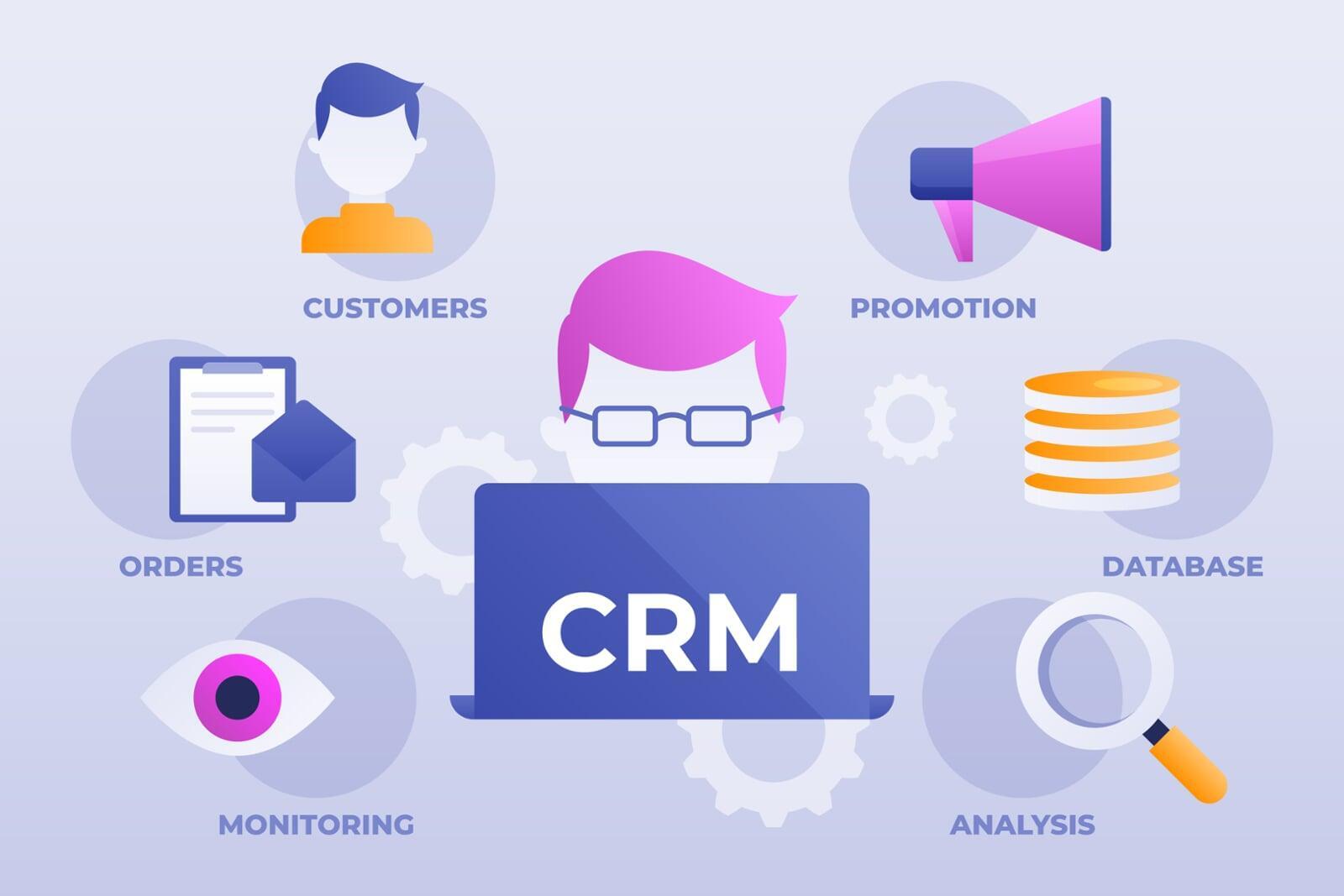
As your business grows, your CRM often becomes more complex than expected. What starts as a simple system for storing contacts can quickly turn into a tool that requires structured pipelines, reliable automation, integrations, and reporting. Without the right setup, the CRM can begin slowing teams down instead of helping them work efficiently.
When that happens, many businesses start wondering whether it’s time to hire a CRM agency to organize the system and make it work the way it should.
1. Your CRM Setup Is Taking Too Much Time
Many founders begin CRM implementation with the intention of saving money. But they soon find themselves spending hours trying to configure workflows, troubleshoot integrations, and restructure pipelines.
Instead of focusing on revenue generating activities, valuable time is spent fixing backend systems.
If CRM setup is taking time away from closing deals or serving customers, it may be time to bring in experts.
2. Your Data Is Disorganised
Data quality is one of the biggest challenges in DIY CRM setups.
Common issues include:
• Duplicate contacts
• Inconsistent fields
• Missing lead information
• Contacts stored in multiple systems
When data becomes messy, reports become unreliable and the CRM loses its value as a decision making tool.
A CRM agency can restructure your data architecture so information remains clean and usable as the business grows.
3. Your CRM Automation Isn’t Working Properly
Automation is one of the most powerful features of a CRM system. It ensures leads receive timely responses and sales teams never miss follow ups.
However, poorly configured workflows can cause major issues such as:
• Leads not receiving follow up emails
• Tasks not being assigned to sales reps
• Customers receiving incorrect messages
Fixing these issues often requires a deep understanding of automation logic and workflow design.
4. Your Team Isn’t Using the CRM
Even the best CRM system fails if the team does not use it consistently.
Low adoption often occurs when the system is confusing, poorly structured, or does not align with the actual sales process.
A CRM agency helps design systems that are intuitive and aligned with how teams actually work, improving adoption and long term success.
5. You Want to Scale Your Marketing and Sales
As your business grows, consistent lead follow-up becomes critical. Research shows that 78% of customers buy from the company that responds to their inquiry first.
Growth introduces complexity.
Managing 20 leads per month manually may be easy. Managing 200 leads requires structured systems, automation, and reporting.
As lead volume increases, poorly designed CRM systems can quickly become bottlenecks rather than growth tools.
At this stage, professional implementation can ensure your systems scale with your business.
If your CRM setup feels overwhelming, a CRM audit can help uncover what’s not working and where improvements can be made.
As CRM systems become more central to sales and marketing operations, many businesses reach a point where expert guidance becomes valuable. A well-structured CRM setup for small businesses can make the difference between a system that simply stores contacts and one that actively supports growth. This is where experienced CRM specialists, like the team at CRMInstructor, can help.
A CRM agency typically helps businesses:
Design the CRM around their real sales process so pipelines reflect how deals actually move
Build reliable automation workflows that support consistent follow-ups
Integrate tools so forms, email platforms, and other systems work together
Maintain clean, structured data that teams can easily track
Create reporting that provides clear marketing and sales insights
One service business struggled with slow lead follow-ups because their CRM automation wasn’t set up correctly. After implementing automated email sequences and structured workflows, they were able to respond to new leads faster and manage opportunities more consistently.
Research from Nucleus Research found that companies implementing CRM systems see an average return of $8.71 for every dollar invested.
This highlights the importance of implementing CRM systems correctly from the start.
FAQs
Conclusion
Not Sure If Your CRM Is Set Up the Right Way?
Many businesses already have a CRM in place but are unsure whether it is actually supporting their growth or quietly creating bottlenecks.
If your system feels messy, your automations are unreliable, or your team is not using the CRM consistently, it may be time for a structured review.
At CRMInstructor, we help businesses audit, redesign, and optimize CRM systems so they actually support sales, marketing, and customer relationships.